Living Room Centerpieces That Impress Guests
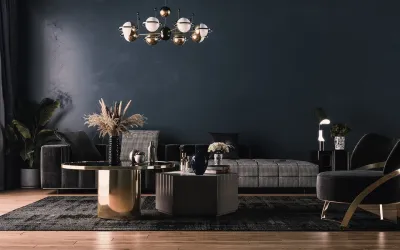
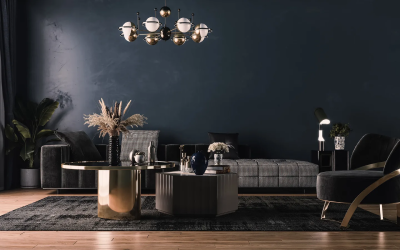
Eve Design Interiors creates living room masterpieces that become the heart of your Arabian Ranches home. Their signature sofas blend Italian leather with hand-carved wooden frames, featuring intricate Middle Eastern motifs that celebrate regional heritage while maintaining contemporary elegance. Each piece arrives custom-sized for your space, ensuring perfect proportions whether you have an intimate villa or a sprawling family room.
The coffee tables deserve special mention – these aren’t just furniture pieces but conversation starters. Eve Design’s artisans craft them from premium materials like polished marble, exotic wood veneers, and brushed metals. Their signature collection includes pieces with hidden storage compartments and integrated wireless charging stations, marrying traditional craftsmanship with modern functionality.
Statement armchairs complete the living room ensemble, upholstered in premium fabrics that resist Dubai’s climate challenges while maintaining their luxurious appearance. The designers carefully select color palettes that complement Arabian Ranches’ architectural aesthetic, creating spaces that feel both globally sophisticated and locally relevant.
Master Bedroom Suites for Ultimate Comfort
Arabian Ranches residents deserve bedroom sanctuaries that rival five-star hotels, and Eve Design Interiors delivers exactly that experience. Their custom bed frames feature hand-carved headboards that serve as artistic focal points, available in everything from rich walnut to exotic ebony finishes. Each frame supports premium mattress systems designed specifically for the region’s climate.
The accompanying wardrobes represent engineering excellence, with soft-close mechanisms, LED lighting systems, and interior layouts tailored to your wardrobe needs. Eve Design’s team conducts detailed consultations to understand how you organize clothing, accessories, and personal items, creating storage solutions that make daily routines effortless.
Bedside tables in these collections aren’t afterthoughts – they’re carefully designed companions featuring built-in charging stations, ambient lighting controls, and discrete storage for personal items. The designers coordinate wood grains, hardware finishes, and proportions across all bedroom pieces, creating cohesive suites that transform sleep spaces into personal retreats.
Dining Sets Perfect for Entertainment
Eve Design Interiors understands that dining rooms in Arabian Ranches serve as entertainment hubs where families gather and guests are welcomed with traditional Arab hospitality. Their dining tables range from intimate four-seaters perfect for family meals to grand twelve-person configurations ideal for hosting dinner parties.
The signature dining chairs combine ergonomic design with visual appeal, featuring carefully contoured backs that support long conversations over multi-course meals. Upholstery options include stain-resistant fabrics and leather treatments that withstand frequent use while maintaining their elegant appearance. Each chair receives individual attention during crafting, ensuring consistent quality across the set.
Complementary sideboards and display cabinets provide both storage and showcasing opportunities for fine china, crystal, and decorative pieces. These storage solutions feature adjustable shelving, wine storage compartments, and discrete cable management for modern dining room electronics. Eve Design’s craftsmen pay special attention to interior finishing, using premium materials even in areas typically hidden from view.
The dining collections include coordinated lighting fixtures designed to create the perfect ambiance for any occasion, from casual family breakfasts to formal entertaining.