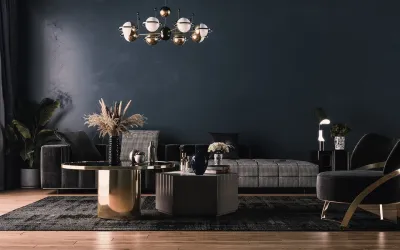
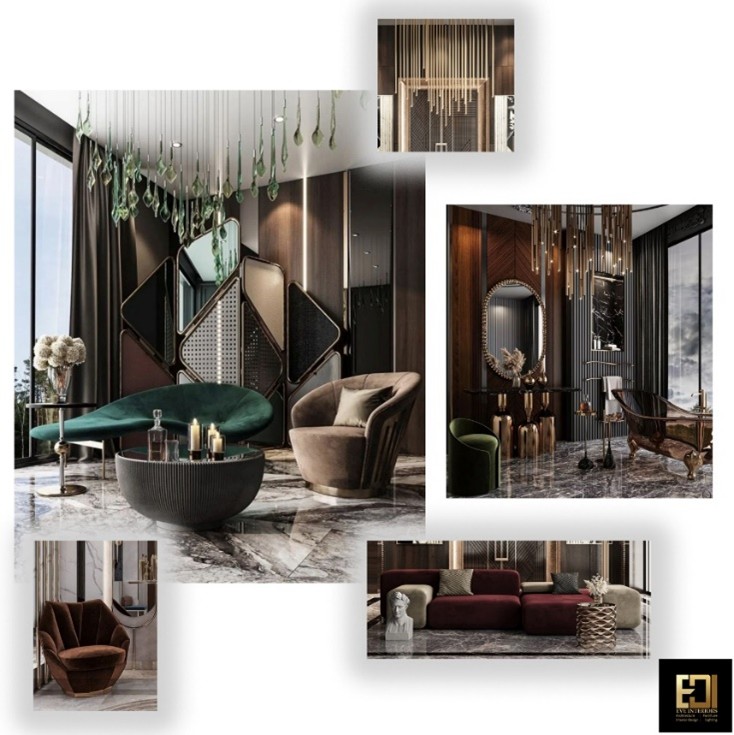
The first step in your journey is to explore and shortlist reputable design firms. A strong portfolio is one of the most reliable indicators of a designer’s capability. Look for diversity in their projects, attention to detail, and how well their designs align with different client needs. Testimonials and references from past clients can also give you valuable insight into their professionalism and reliability.
Before approaching any designer, it’s essential to establish a clear budget. Your financial plan sets the foundation for everything that follows—from material choices to design complexity. Interior designers typically work with a wide range of products, from budget-friendly options to premium finishes. By communicating your budget upfront, you enable them to suggest solutions that are both practical and aesthetically pleasing.
Once your budget is in place, take time to define your requirements. You don’t need to have a complete design vision—this is where professionals step in. Instead, focus on expressing your needs, lifestyle preferences, and functional expectations. Whether you want a cozy family space, a modern minimalist home, or a luxurious retreat, clear communication helps designers translate your ideas into a cohesive plan.
The next step is consultation. Meeting designers in person allows you to assess compatibility and understand their approach. During these interactions, discuss your expectations, timelines, and budget openly. Ask about their design process, pricing structure, and any guarantees they provide. Reviewing their previous work during these discussions can help you evaluate whether their style resonates with your vision.
After selecting the right design firm, the collaboration phase begins. Most professional companies conduct multiple meetings to refine ideas and ensure alignment. It’s crucial to document every aspect of the project, including timelines, deliverables, and payment terms. This clarity helps avoid misunderstandings and keeps the project on track.
As the project progresses, staying involved is equally important. Regular updates and site visits allow you to monitor progress and address any changes promptly. Open communication ensures that both you and your designer remain aligned throughout the process. Flexibility is key, as minor adjustments are often part of any design journey.
Some firms offer integrated services, combining architectural and interior design under one roof. This approach ensures seamless coordination and consistency across all aspects of the project, making the execution smoother and more efficient.
Ultimately, the success of your project depends on collaboration, trust, and communication. By choosing the right professionals and staying actively involved, you can transform your ideas into a beautifully designed space that truly feels like home.