*
Order Now
*

Transforming Spaces: How to Select a Luxury Interior Design Firm

Transforming Spaces: How to Select a Luxury Interior Design Firm

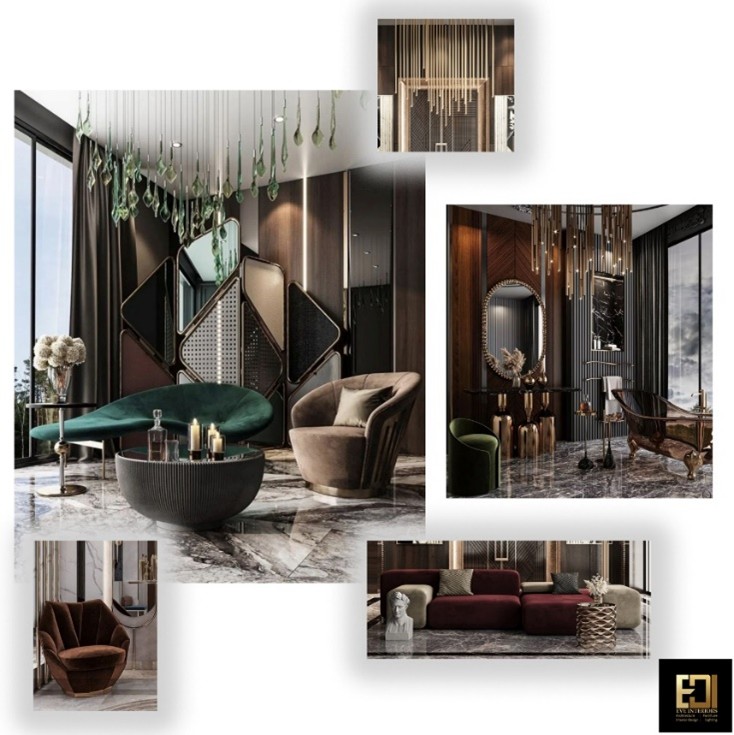
Designing a luxury home is not merely about aesthetics—it is about crafting an experience that reflects elegance, comfort, and individuality. The process begins with selecting the right interior design firm, a decision that significantly influences the final outcome of your space. With numerous firms offering premium services, choosing the right one requires a thoughtful and strategic approach. The first step is evaluating the firm’s portfolio. A luxury interior design company should showcase a refined collection of projects that highlight attention to detail, material quality, and design innovation. Look beyond visual appeal—observe how each space functions and whether it reflects a cohesive design language. A strong portfolio demonstrates the firm’s ability to translate concepts into sophisticated living environments.

*

Equally important is establishing a clear budget. Luxury design does not always equate to excessive spending; instead, it focuses on smart allocation of resources to achieve maximum impact. A professional designer will guide you through a range of high-quality materials, finishes, and furnishings, ensuring that every selection aligns with your vision and financial framework. Being transparent about your budget from the outset allows for better planning and avoids unnecessary revisions later.

Understanding your lifestyle is another critical factor. Luxury interiors are deeply personal and should cater to your daily routines, preferences, and aspirations. Whether it’s a serene retreat, a vibrant entertaining space, or a functional family home, communicating your expectations helps designers create a tailored experience. You don’t need to have a complete design in mind—sharing your inspirations and priorities is enough for professionals to build upon.

Consultation meetings offer valuable insights into a firm’s approach. During these interactions, assess their ability to understand your requirements and present innovative ideas. Discuss timelines, project phases, and pricing structures in detail. This is also the time to evaluate their communication style and professionalism, as these factors play a crucial role throughout the project.

Once you finalize a firm, documentation becomes essential. Every detail—from design concepts and material specifications to timelines and deliverables—should be clearly outlined. This ensures transparency and helps maintain accountability at every stage.

As the project progresses, maintaining active involvement is key. Regular updates, site visits, and open communication help ensure that the execution aligns with your expectations. While designers manage the creative and technical aspects, your feedback ensures that the final outcome reflects your vision.

Many luxury firms offer integrated architectural and interior design services, which streamline the entire process. This holistic approach ensures consistency in design and eliminates coordination challenges, resulting in a seamless execution.

Ultimately, selecting the right luxury interior design firm is about finding a partner who understands your vision and has the expertise to bring it to life. With the right collaboration, your home becomes more than just a space—it becomes a timeless expression of style and sophistication.

*

Related Blog

*

Designing Your Dream Home with EDI: What to Expect from the First Consultation

Building or renovating a home is a personal journey. It is not just about creating walls, rooms, and finishes; it is about shaping a space that supports your lifestyle, reflects your taste, and grows with your family. That is why the first consultation with a professional architectural and interior design team matters so much. With EDIEve Designs & Interiors, the process begins with understanding your vision clearly before moving into planning, design, revisions, and execution. Before meeting the EDI team, it is helpful to organize the basic details of your project. Start with your space requirements: the number of bedrooms, living areas, workspaces, storage needs, kitchen preferences, parking requirements, and any special features you want to include. You can also share your preferred architectural style, such as modern, contemporary, traditional, luxury, minimal, or a blend of different inspirations.

*

From First Discussion to Final Design: How EDI Makes Home Planning Easier

Every beautiful home begins with one important step: a meaningful conversation. Before drawings are created, materials are selected, or 3D designs are prepared, the design team must understand the client’s lifestyle, expectations, budget, and vision. This is where a professional consultation with EDI – Eve Designs & Interiors becomes valuable. A home is not just a structure. It is a space where daily routines, family moments, comfort, and personal style come together. So, the design process should begin with clarity. When clients approach EDI, they are encouraged to share all essential details that can help the team understand the project better. This may include the total area of the property, number of rooms required, family needs, preferred architectural style, interior themes, storage requirements, and special features they wish to include.

*

A Complete Guide to Starting Your Home Design Journey with EDI

Creating your dream home begins long before construction starts. It starts with conversations, planning, references, expectations, and the right guidance from an experienced architectural and interior design team. Once you have a basic idea of what you want, the next important step is to connect with a professional firm like EDIEve Designs & Interiors for a detailed consultation. A consultation gives the design team a clear understanding of your vision. It also helps you understand how your ideas can be developed into a practical and beautiful living space. Before meeting the EDI team, it is helpful to prepare a few important details. These include the total area of the project, number of rooms, preferred layout, lifestyle needs, design style, and budget range. You can also share references, inspiration images, colour preferences, material choices, and any specific features you want in your home.