Understanding the Essence of Minimalism
At its core, minimalism is about removing unnecessary elements and highlighting what truly matters. It is not about creating empty spaces but about ensuring that every piece within a room serves a purpose. The philosophy revolves around balance, functionality, and visual harmony.
A minimalist interior often features clean layouts, uncluttered surfaces, and carefully selected furniture that contributes to the overall aesthetic. The result is a space that feels open, inviting, and effortlessly elegant.
Choose a Neutral Colour Palette
One of the defining characteristics of modern minimalist interior design is the use of a neutral colour scheme. Shades such as white, beige, grey, and black provide a timeless foundation that enhances the feeling of openness and tranquility.
Neutral colours also create a versatile backdrop for furniture and décor, allowing individual design elements to stand out without overwhelming the room. To prevent the space from feeling flat, consider incorporating subtle variations in tone. Combining warm greys, soft creams, and muted earthy shades can add depth and visual interest while maintaining the minimalist aesthetic.
Prioritize Clean Lines and Simple Forms
Minimalist spaces are recognized by their clean lines and uncomplicated forms. Furniture with sleek profiles, geometric shapes, and understated details contributes to a refined and modern appearance.
Avoid excessive ornamentation, intricate patterns, or bulky furniture that can make a room feel crowded. Instead, focus on pieces that offer both style and functionality. A carefully chosen sofa, streamlined coffee table, or elegant console can make a powerful design statement without dominating the space.
The goal is to create a balanced environment where every element complements the overall design.
Focus on Quality Materials and Textures
When working with a minimalist colour palette, texture becomes an important design tool. Different materials add warmth, depth, and character to a space while maintaining a clean and cohesive look.
Natural materials such as wood, stone, linen, wool, and glass work exceptionally well in minimalist interiors. A soft wool rug, textured cushions, wooden accents, or natural stone surfaces can introduce subtle visual contrast and create a more inviting atmosphere.
By carefully layering textures, you can achieve a sophisticated design that feels comfortable and lived-in rather than stark or sterile.
Maximize Natural Light
Natural light plays a crucial role in modern minimalist interior design. Bright, well-lit spaces feel larger, more welcoming, and more connected to the outdoors.
Large windows, glass doors, and open layouts help maximize daylight throughout the home. Sheer curtains or light-filtering window treatments can allow natural light to enter while maintaining privacy.
Natural light not only enhances the visual appeal of a space but also reduces the need for artificial lighting during the day, contributing to a more sustainable and energy-efficient home.
Keep Décor Intentional and Meaningful
Minimalism does not mean eliminating décor entirely. Instead, it encourages thoughtful selection. Choose a few meaningful decorative pieces that reflect your personality and complement the overall design.
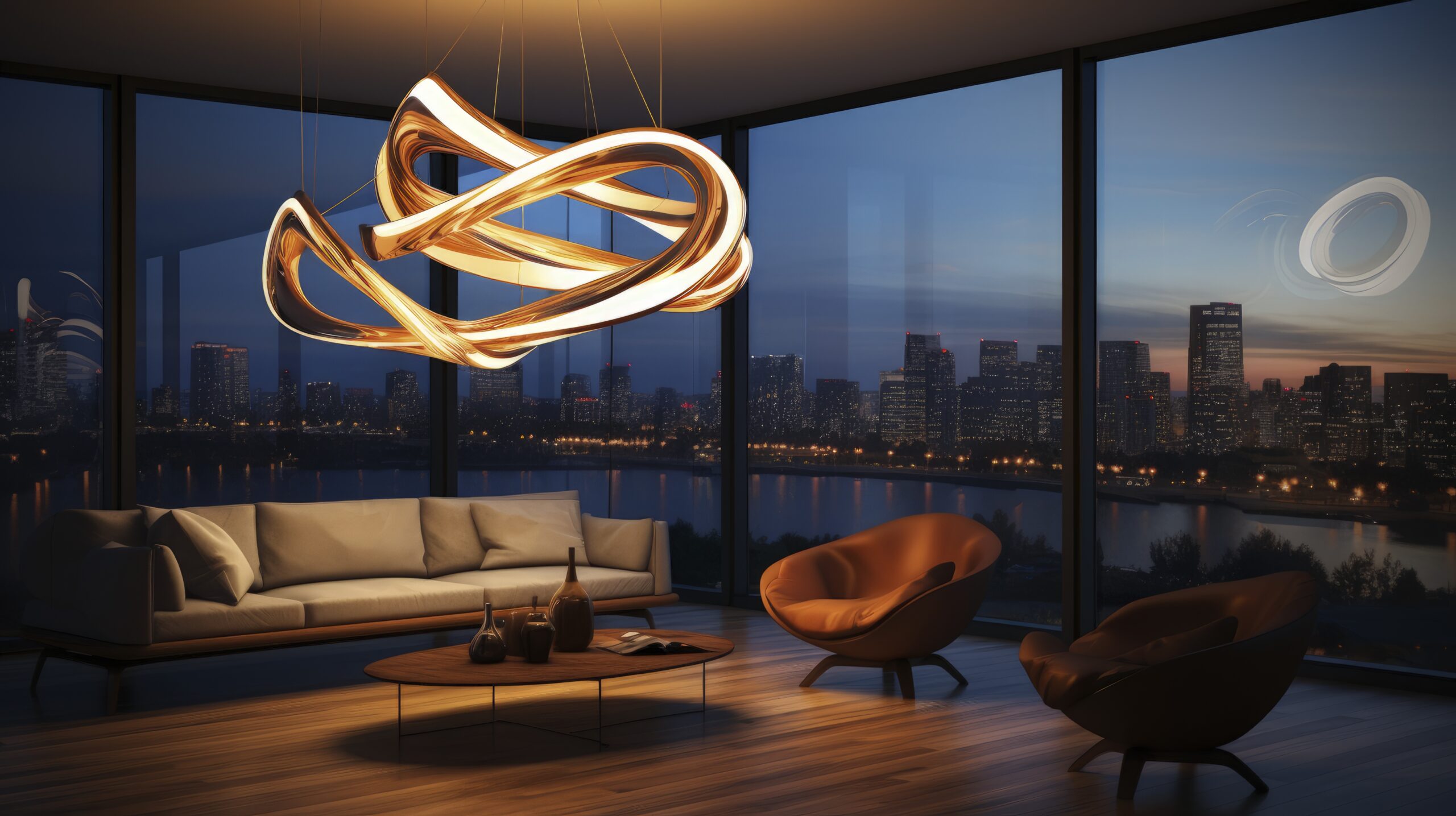
Artwork, indoor plants, sculptural objects, or statement lighting fixtures can add character without creating visual clutter. The key is to maintain balance and ensure that each item contributes to the room’s overall harmony.
Conclusion
Modern minimalist interior design is about creating spaces that combine beauty, functionality, and simplicity. Through neutral colour palettes, clean lines, quality materials, abundant natural light, and intentional décor choices, homeowners can achieve interiors that feel timeless and sophisticated.
By embracing the principles of minimalism, you can transform your living spaces into serene environments that promote relaxation, clarity, and everyday comfort while maintaining a refined modern aesthetic.