Assess Your Space
Start by carefully evaluating your bedroom’s size and structure. Measure the room accurately and take note of architectural elements such as doors, windows, niches, or columns. Pay attention to electrical outlets, switches, air vents, and lighting points, as these details directly impact how furniture and décor can be arranged effectively.
Define Your Priorities
Before planning the layout, understand how you intend to use the bedroom. Identify its main purposes—whether it’s for sleeping, dressing, working, reading, or unwinding. Once your priorities are clear, allocate space accordingly so that each function is supported without overcrowding the room.
Create Functional Zones
Dividing your bedroom into distinct zones helps maintain order and flow. Common zones include the sleeping area, wardrobe or dressing space, work or study corner, and a relaxation spot. Use furniture placement, rugs, or subtle dividers to visually separate these areas while maintaining a cohesive layout.
Arrange Furniture with Purpose
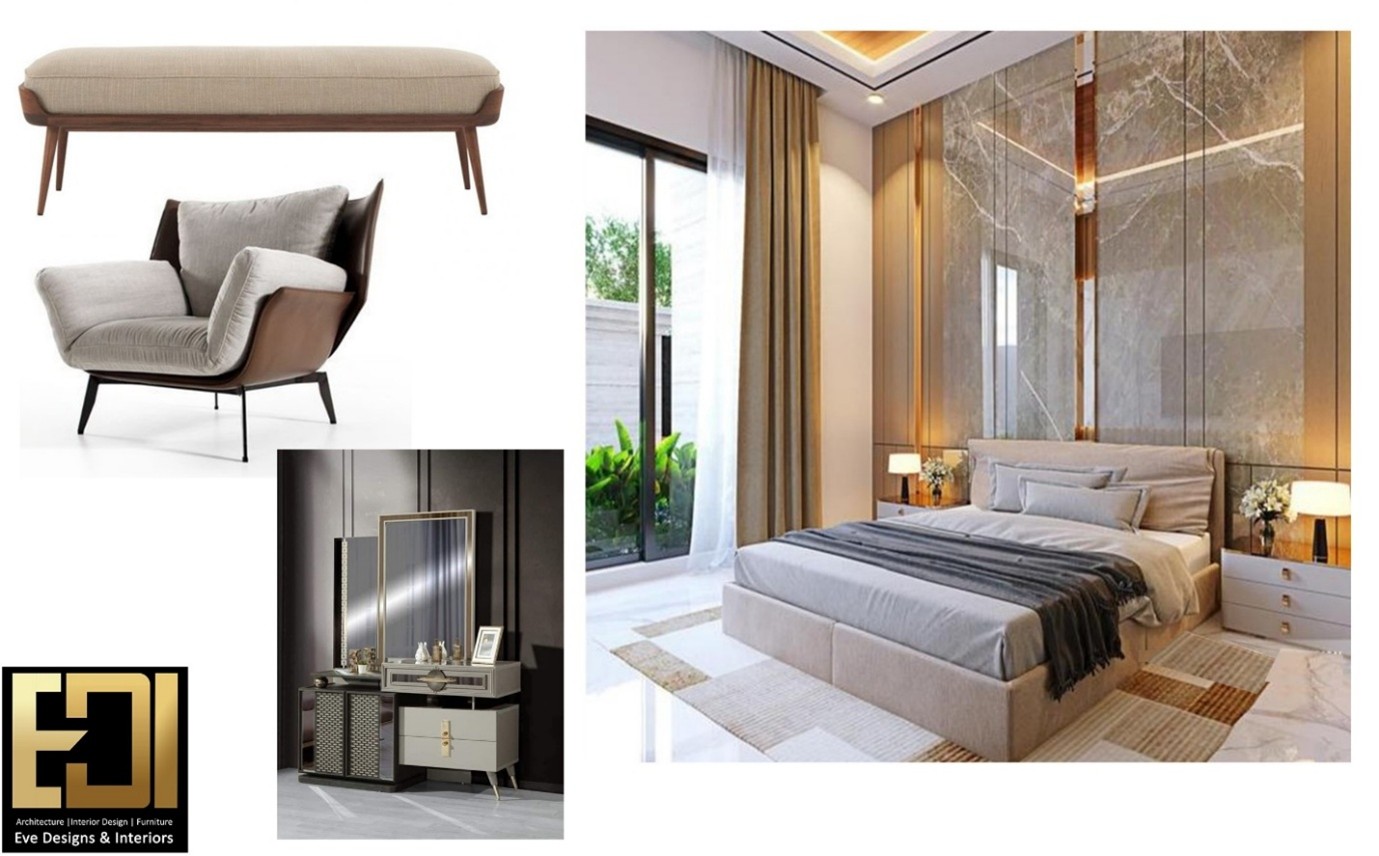
Furniture placement plays a key role in both comfort and aesthetics. Position the bed as the main focal point—ideally against the longest wall to create balance. Complement it with nightstands, wardrobes, dressers, or seating arranged in a way that feels open and uncluttered while supporting daily activities.
Maintain Smooth Traffic Flow
Ensure there’s enough room to move comfortably throughout the bedroom. Clear pathways between furniture pieces and zones prevent congestion and enhance usability. Avoid blocking doorways, windows, or frequently used areas, and keep high-traffic paths free from obstacles.
Maximize Storage Options
Smart storage solutions help keep the bedroom organized and clutter-free. Opt for multifunctional furniture such as beds with built-in drawers, sliding-door wardrobes, or storage benches. Make use of vertical space with wall-mounted shelves, hooks, or organizers to free up valuable floor area.
Perfect the Lighting Setup
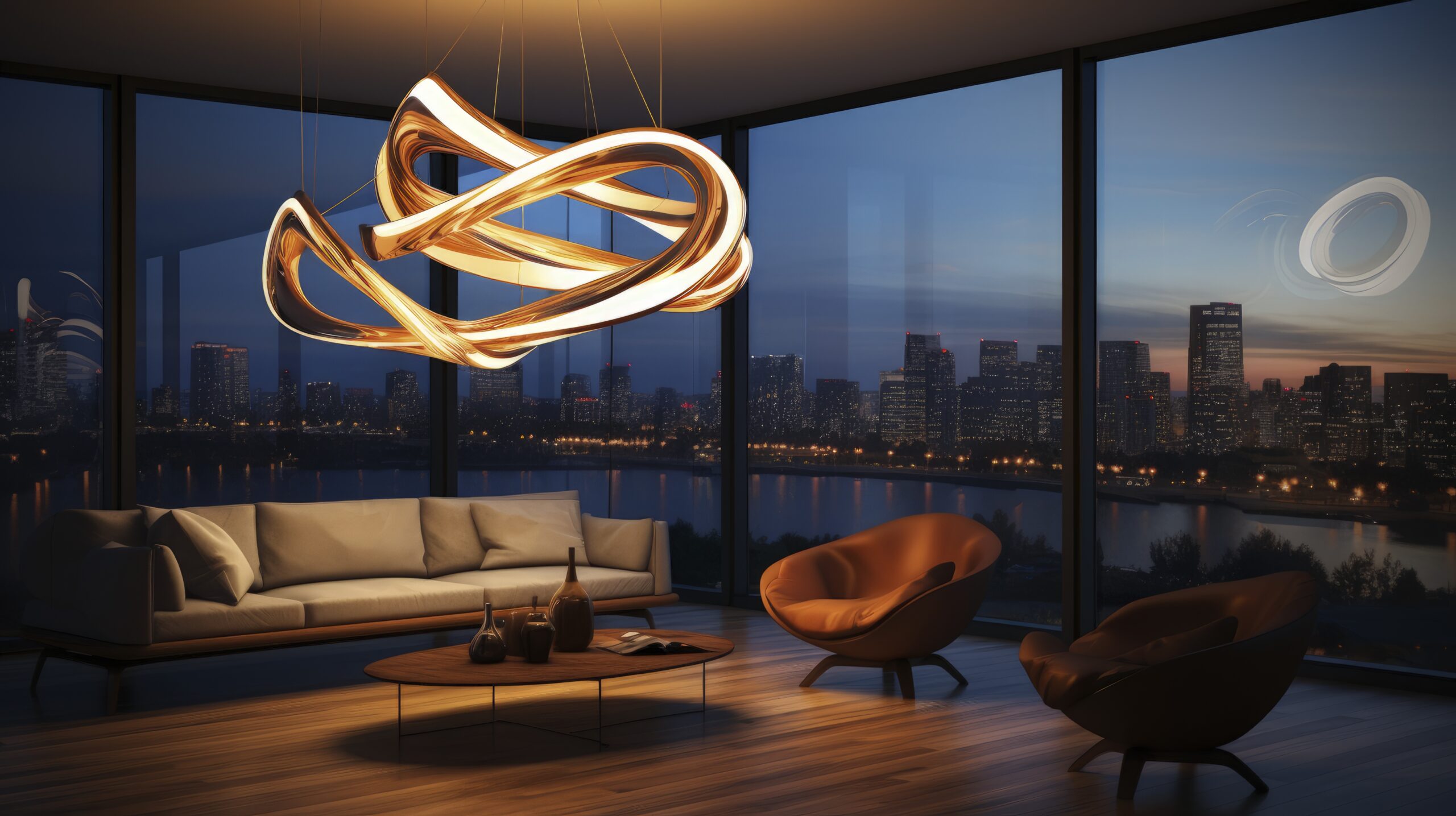
Lighting significantly influences the mood and functionality of a bedroom. A layered lighting approach works best—combine ambient lighting for overall illumination, task lighting for reading or grooming, and accent lighting to highlight décor. Bedside lamps, ceiling lights, and wall-mounted fixtures together create a warm and adaptable atmosphere.
Add Personal Style
Finish your bedroom layout by adding personal elements that reflect your taste. Soft furnishings, artwork, cushions, plants, and décor accessories bring warmth and character to the space. Experiment with colors, textures, and patterns to create a harmonious look that feels comfortable and uniquely yours.
Conclusion
With thoughtful planning and attention to detail, you can design a bedroom layout that supports relaxation, organization, and everyday comfort. Whether working with a compact room or a spacious master bedroom, following these steps will help you create a functional yet welcoming space—one that promotes restful nights and calm mornings for years to come.