Smart Bedroom Design Tips for Comfort, Style, and Functionality
Designing a bedroom that feels both comfortable and stylish is one of the most rewarding parts of homeownership. It’s your personal space—a place to unwind, relax, and recharge. With the right design approach, you can transform even a simple room into a beautiful and functional sanctuary.
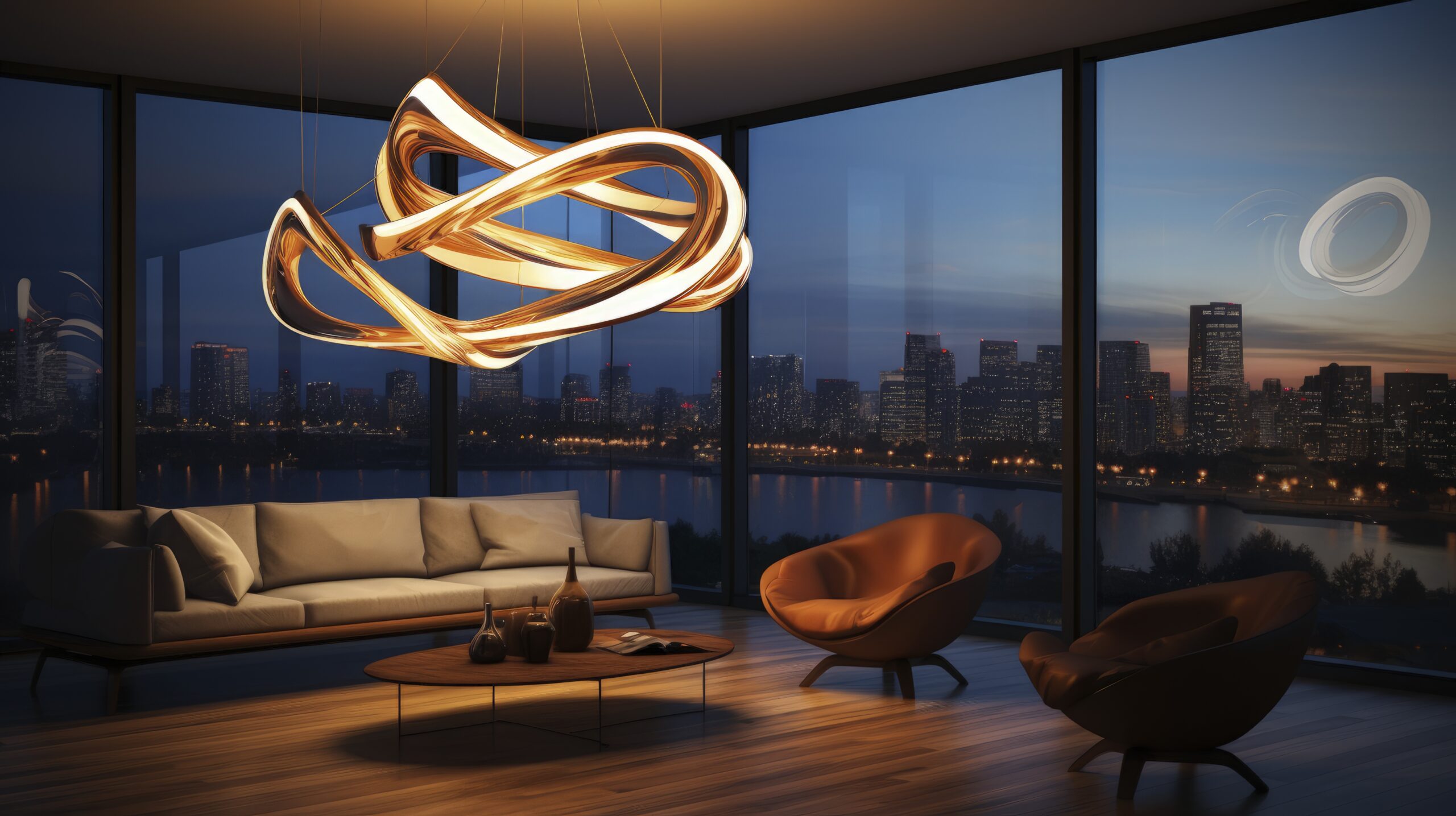
Lighting is often the first element that defines the atmosphere of a bedroom. Instead of harsh, direct lighting, opt for softer and layered lighting solutions. Spotlights, bedside lamps, and ambient lighting can work together to create a warm and inviting mood. This subtle illumination enhances textures and highlights key design elements without overwhelming the space.
As homes evolve, bedrooms are increasingly becoming multifunctional spaces. Whether you need a small workspace or additional storage, smart design solutions can help you achieve both without clutter. Built-in desks and wall-mounted storage units are excellent ways to keep the room organized while maintaining a clean aesthetic.
An accent wall is a simple yet effective way to bring personality into your bedroom. Placing wallpaper or textured panels behind the bed creates a strong focal point. When paired with complementary colors and minimal décor, it adds depth and sophistication without making the room feel crowded.
Color coordination is equally important in creating a cohesive look. Soft neutral tones combined with natural textures—like wood and fabric—can make the room feel calm and balanced. Adding subtle pops of color through cushions or décor elements keeps the design interesting without overpowering it.
Furniture plays a crucial role in defining the functionality of your bedroom. Choosing pieces that serve multiple purposes can be especially useful in compact spaces. For instance, a bedside unit that doubles as a vanity or storage solution helps maximize usability while maintaining a clean layout.
If you’re drawn to rustic aesthetics, incorporating natural elements like wooden beams or textured finishes can add warmth and character. This style works beautifully when combined with modern furniture, creating a balanced blend of traditional charm and contemporary elegance.
Area rugs are another essential design element that adds both comfort and visual appeal. A well-placed rug not only softens the flooring but also helps define the sleeping area. Matching the rug with the room’s color scheme ensures a seamless and polished look.
Artwork can elevate your bedroom design by adding a personal touch. A bold piece above the bed or a curated gallery wall can instantly transform the space. When the artwork complements other design elements, it creates a unified and aesthetically pleasing environment.
Indoor plants are a simple yet powerful addition to any bedroom. They bring life into the space, improve air quality, and create a calming ambiance. Even a small potted plant on a bedside table can make a noticeable difference.
Ultimately, designing a bedroom is about finding the right balance between comfort and style. By focusing on thoughtful details and practical solutions, you can create a space that reflects your personality while meeting your everyday needs.